
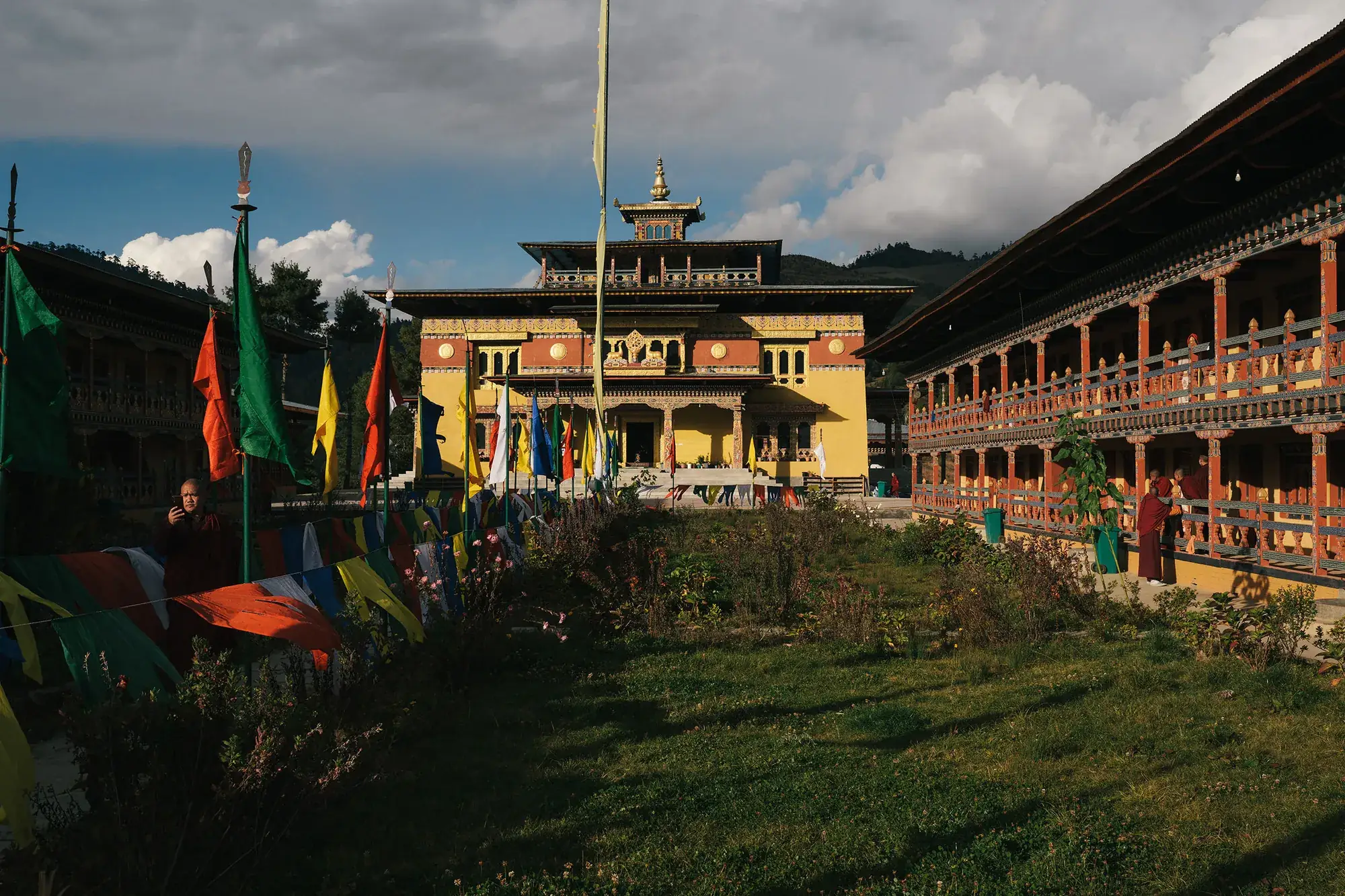
About Bhutan
What languages are spoken in Bhutan?
Around 19 languages are spoken. The national language is Dzongkha, and English is used throughout the school system, so most people speak it well.
When is the best time to visit?
Bhutan is a year-round destination. Spring (March to May) brings rhododendrons and mild days. Autumn (September to November) has the clearest mountain views and many festivals. Winter is cold but bright, with cranes in Phobjikha. Summer is the green monsoon season.
What currency is used?
The ngultrum (Nu.), which is pegged 1:1 to the Indian rupee. ATMs are available in Thimphu and Paro, and many hotels accept cards. Carry some cash for smaller places.
What plugs and phone code does Bhutan use?
You will find British (type G), European (type C) and Indian (type D) sockets, so bring a universal adaptor. The country code is +975.
Visas & fees
Do I need a visa?
Yes, unless you hold an Indian passport. Most visitors apply online in advance, or we can apply for you. Indian nationals receive an entry permit instead.
How much does the visa cost?
A one-off, non-refundable fee of US$40, paid together with the Sustainable Development Fee when you apply.
What is the Sustainable Development Fee (SDF)?
A nightly fee that funds healthcare, education and conservation in Bhutan. It is US$100 per adult per night, US$50 for children aged 6 to 11 and free for under-6s. Indian nationals pay Nu. 1,200 per night. The US$100 rate is confirmed until 31 December 2029.
How long does a visa take?
A complete application is usually processed within about five working days. Apply a few weeks before you travel to be safe.
Is travel insurance mandatory?
No. The requirement was lifted in April 2024, but we strongly recommend insurance that covers medical care and flight delays.
Planning your trip
Do I need a guide?
Yes. Under Bhutan's tourism rules, visitors travel with a licensed guide, and a guide is required to enter dzongs, temples and monuments. You can still wander shops and cafés in town on your own.
How do I get to Bhutan?
All international flights land at Paro, with Drukair and Bhutan Airlines flying from cities including Bangkok, Delhi, Kathmandu, Kolkata and Singapore. You can also enter overland through southern border towns such as Phuentsholing.
How many days should I plan?
Five to seven days covers Paro, Thimphu and Punakha. With ten days or more you can add Phobjikha, Bumthang or a trek.
Can I trek on my own?
No. All treks are arranged with a licensed operator and guide, who handle permits, camping crew and safety.
What accommodation is available?
Everything from farmhouse homestays to boutique lodges and five-star resorts. Visitors stay in accommodation approved by the Department of Tourism.
On the ground
How do I get around?
In a licensed tourist vehicle with a driver, which we arrange for you. Domestic flights connect Paro with Bumthang, Gelephu and Yonphula.
What should I wear?
Layers, good walking shoes and a rain jacket. For dzongs and temples, cover your shoulders and knees and remove hats.
Is Bhutan safe?
Very. Bhutan is one of the safest countries in Asia. The main thing to plan for is altitude, so take your first day gently.
Still have a question? Ask us on WhatsApp or email us.
Top destinations
Don't miss these must-see places.
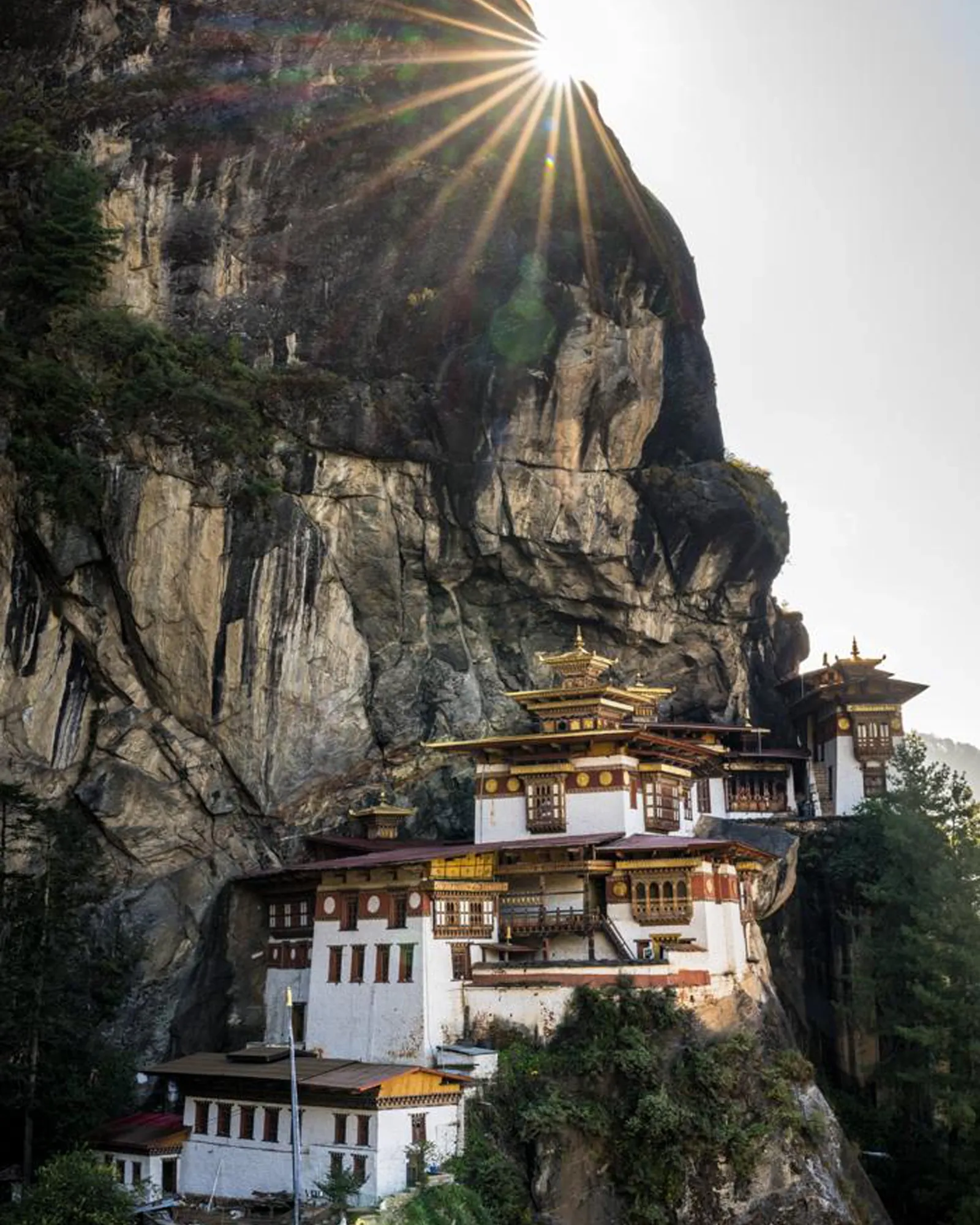 ParoTiger's Nest & Rinpung Dzong
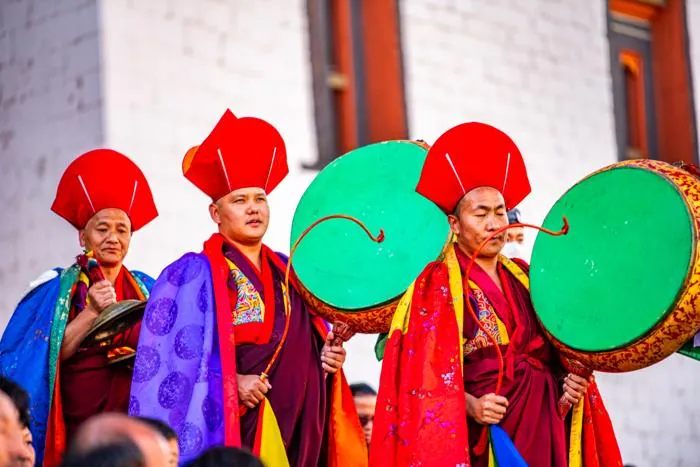 ThimphuThe capital & its tshechu
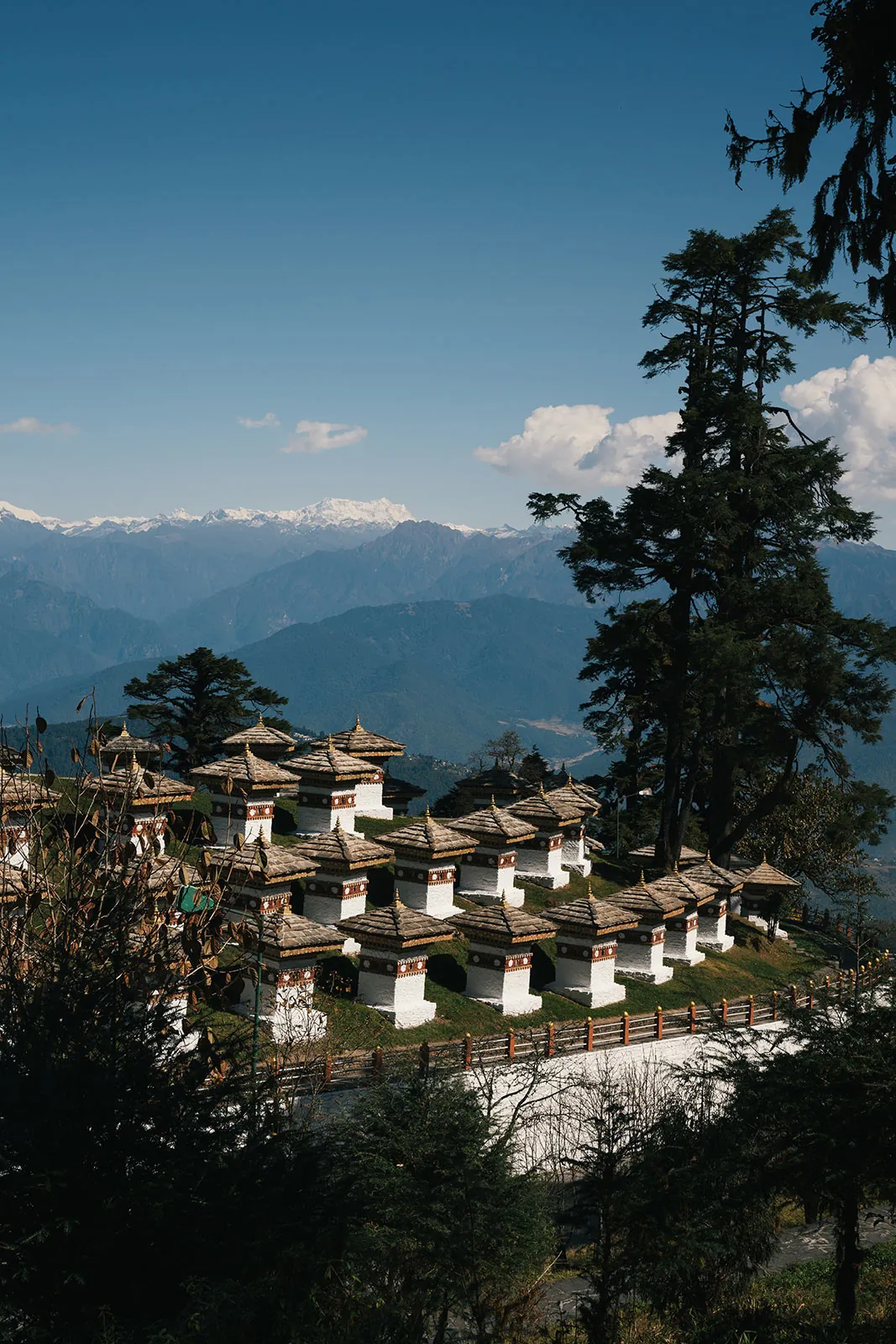 Dochula Pass108 chortens & Himalayan views
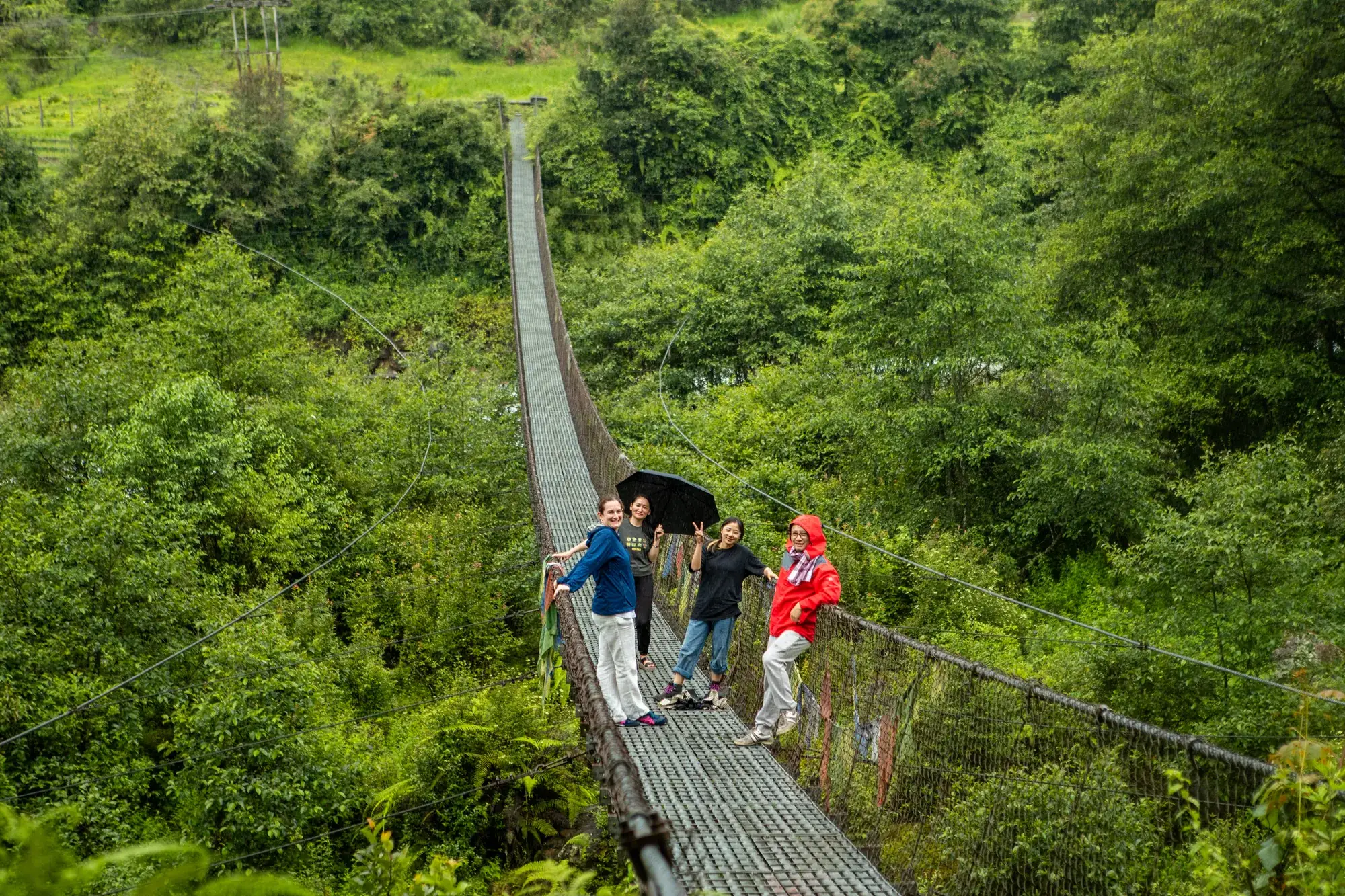 PunakhaThe old capital by two rivers
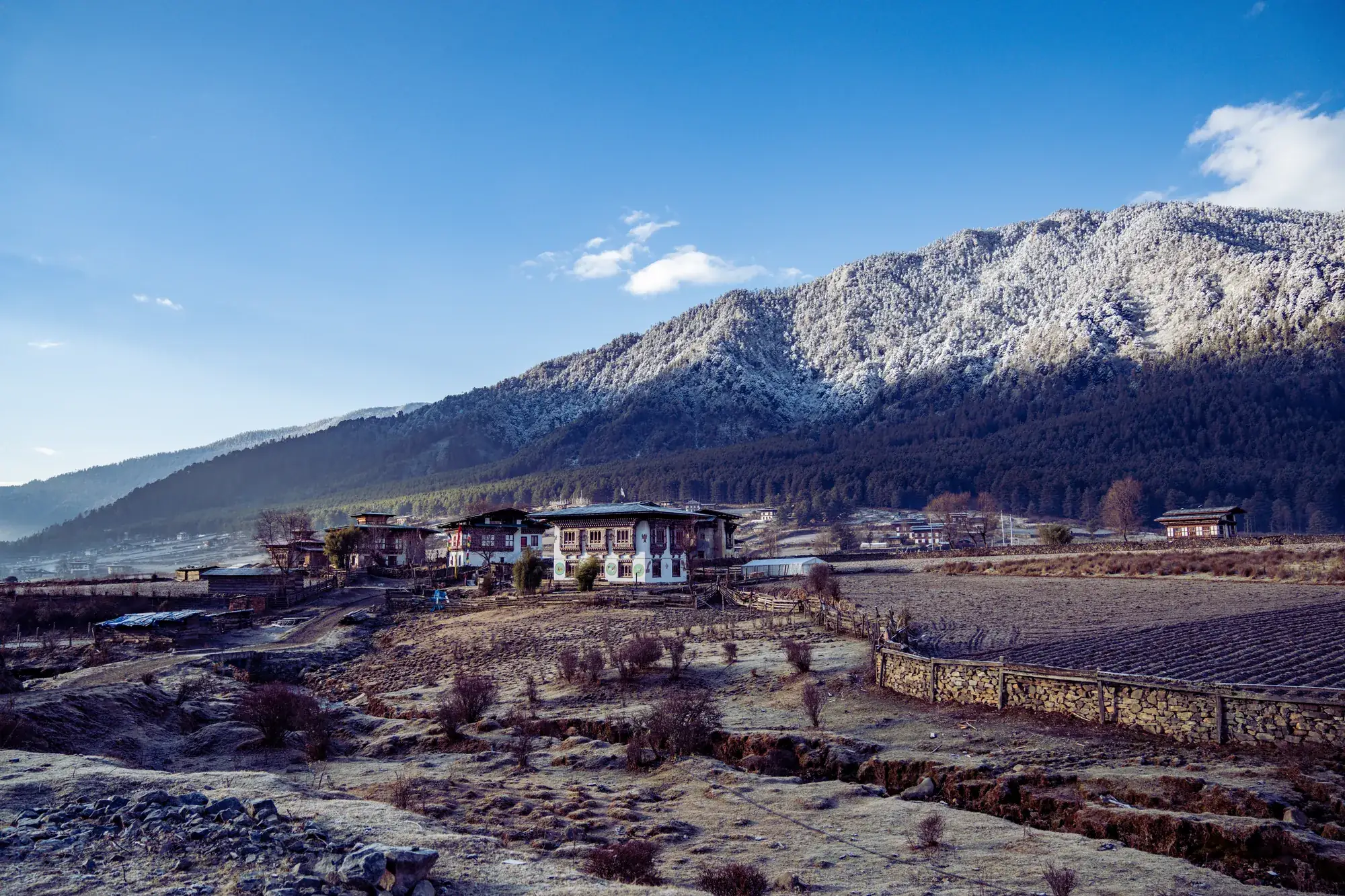 PhobjikhaCrane valley & Gangtey
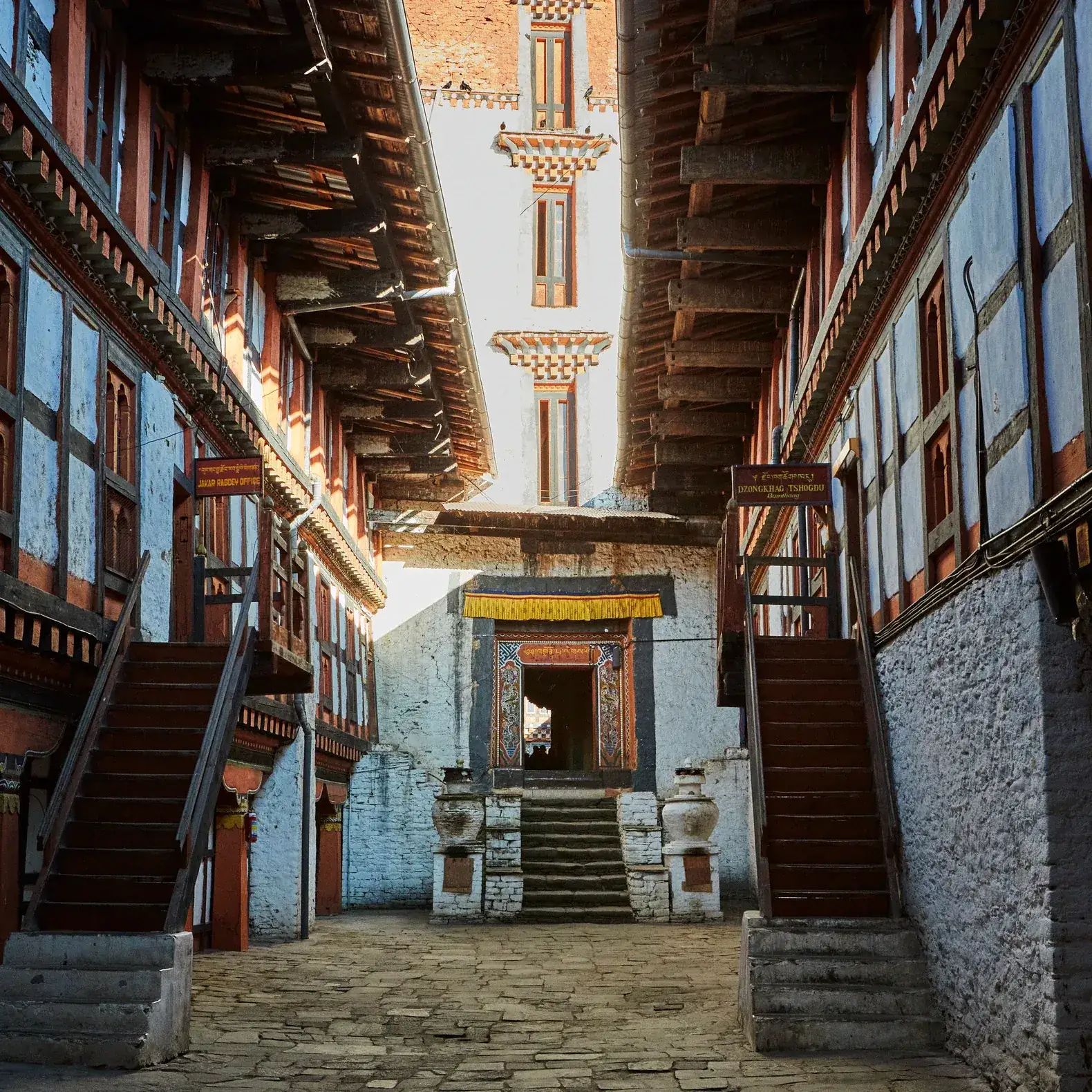 BumthangThe spiritual heartland
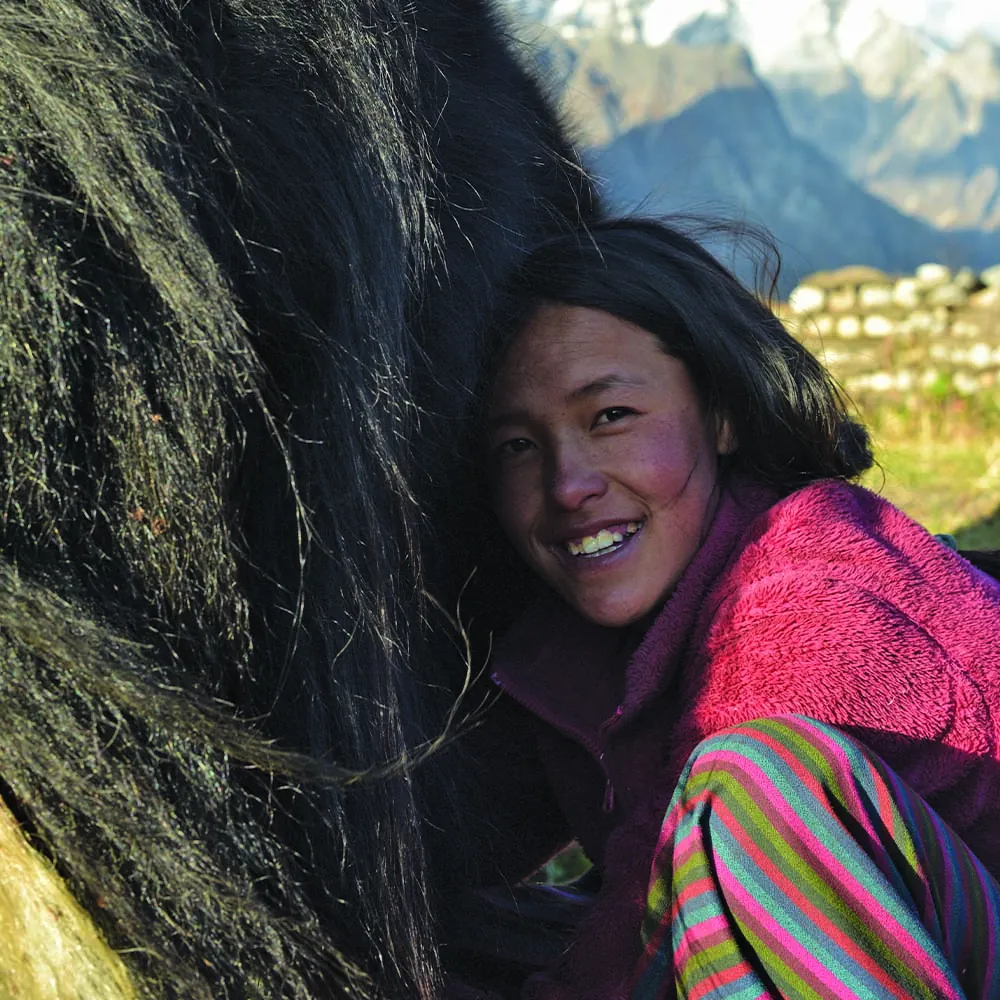 LayaHighland nomads of Gasa
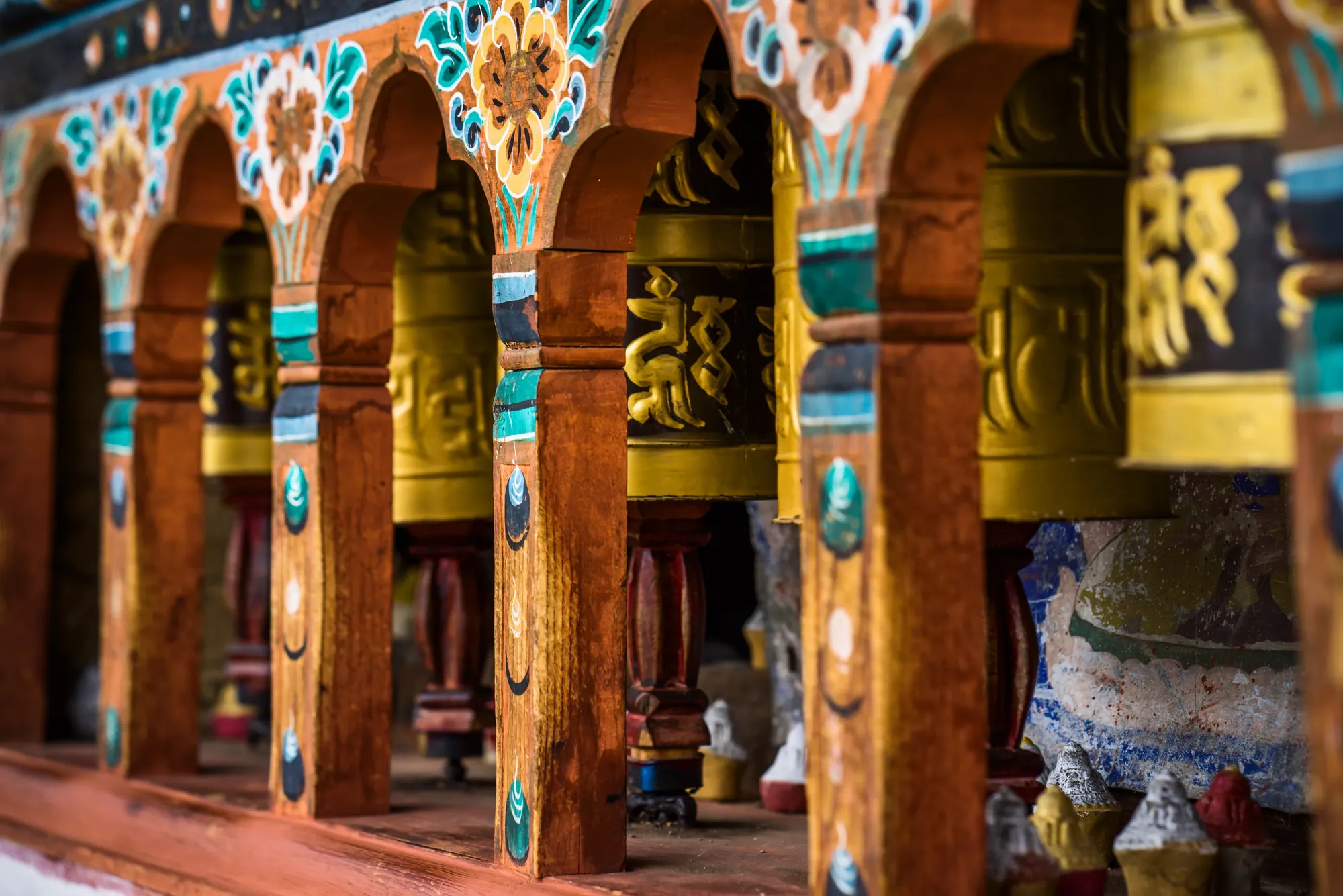 Kyichu LhakhangOne of Bhutan's oldest temples
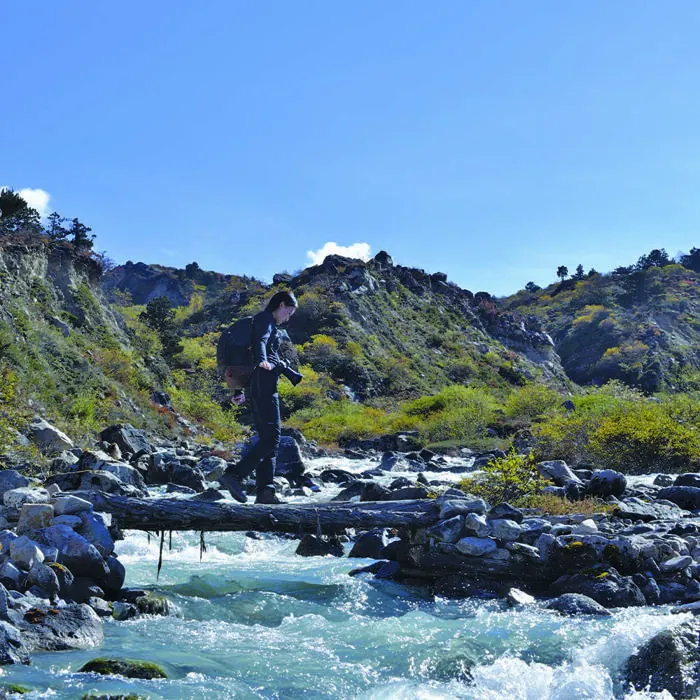 JomolhariTrekking under the snow peaks
Ready to start planning?
Tell us your dates and interests and we will take care of the rest.