
Bhutan’s forests cover more than 70% of the country, and in the wet months they fill with mushrooms. More than 400 kinds have been recorded, and many families have gathered them for generations. For visitors, a morning in the forest with a local forager is one of the most rewarding ways to see rural life.
When to come
The season follows the monsoon. From around June to September the woods are at their richest. In August, the village of Ura in Bumthang holds the Matsutake Festival, a celebration of the prized pine mushroom with foraging walks, local food and music.
What you might find
- Matsutake (sangay shamu): the most valuable, with a spicy, pine-like aroma. Much of the harvest is exported.
- Chanterelles (sisi shamu): golden and fruity, often cooked with cheese.
- Shiitake and oyster mushrooms: also grown by farmers, and common in markets.
- Cordyceps: the rare caterpillar fungus of the high pastures. It is harvested only by licensed highland communities and is a vital income for them.
From forest to pot
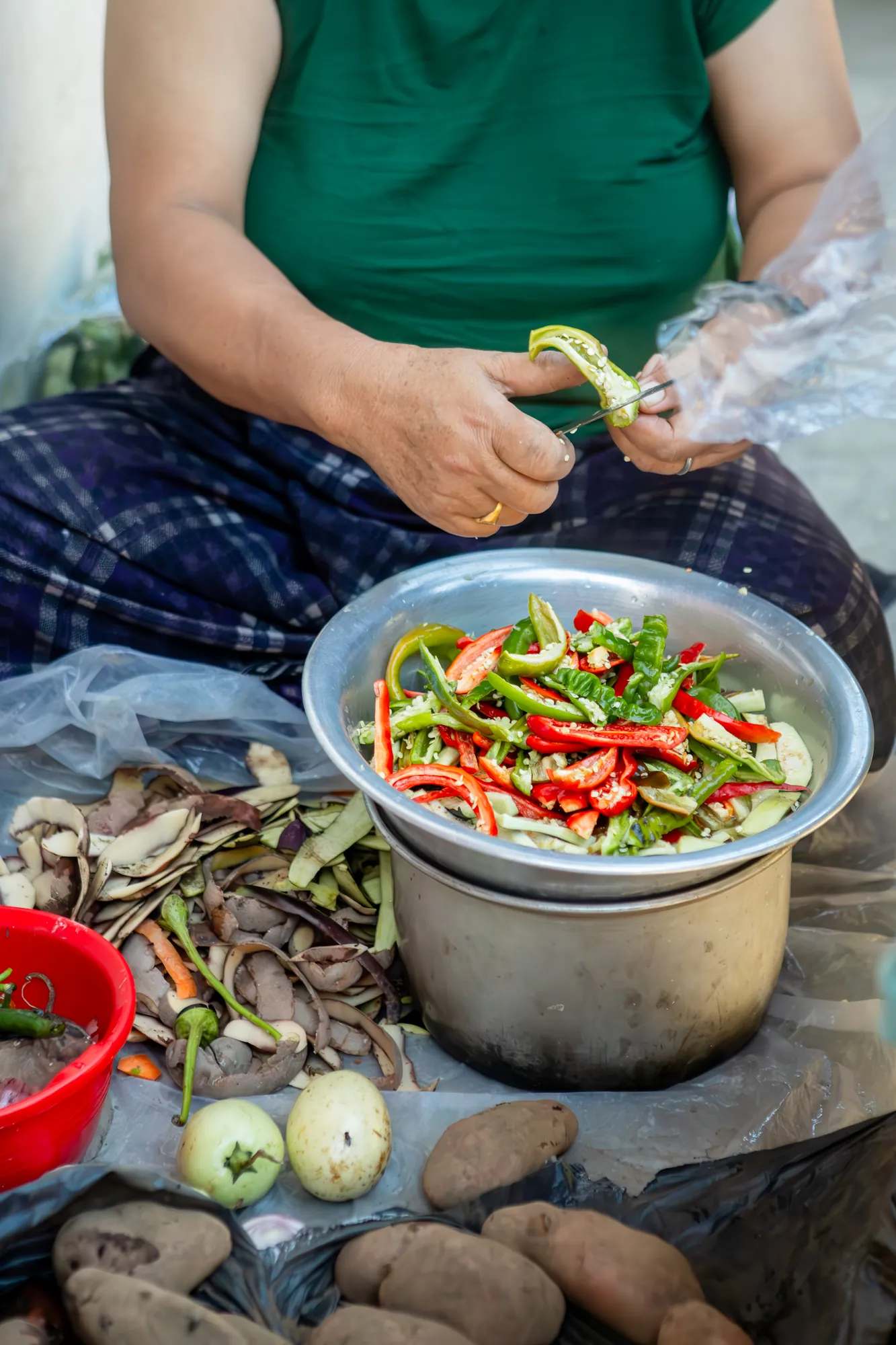
The best part comes after the walk. Back at the farmhouse, the mushrooms are cleaned and cooked into shamu datshi, mushrooms in a cheese sauce with chilli, and eaten with red rice. You will cook alongside the family, and they will be glad to share their own tricks.
Forage with care
Some Bhutanese mushrooms are poisonous and easy to confuse with edible ones, so always forage with a local who knows the forest. Take only what will be eaten, leave young mushrooms to grow, and respect any area your guide says is off limits.
Planning a trip? Tell us your dates and what you love, and we will shape a private journey around it. Message us on WhatsApp or send an enquiry.